“Early childhood has been recognised as the golden opportunity to build strong foundations for future life, health and happiness.” – HRH Catherine, Princess of Wales
"The mud will wash off but the memories will last a lifetime."
"We carry our childhood with us." - Gary D. Schmidt
"The child gives us a beautiful lesson – that in order to form and maintain our intelligence, we must use our hands" - Maria Montessori
"You can learn more about a child in one hour of play than you can in one year of conversation." - Plato
"What happens early, lasts a lifetime"
“The early years are not simply about how we raise our children. They are about the society we will become.” - HRH Catherine, The Princess of Wales
"A child's mind is not a container to be filled, but rather a fire to be ignited." - Loris Malaguzzi
"Of all the paths you take in life, make sure a few of them are dirt." - John Muir
"Play is the highest form of research" - Albert Einstein
"The best classroom and the richest cupboard are roofed only by the sky."
"Children still need a childhood with dirt, mud, puddles, trees, sticks and tadpoles." - Brook Hampton
At Birchills Church of England Community Academy, we are lucky to have a large Early Years setting that encompasses a 52 place Nursery (three and four year olds) through to a two-form entry Reception (four and five year olds).
|
Mrs K Taplin - SENDCo and Co EYFS Lead |
Miss M Williams - Co EYFS Lead & EYFS Practitioner |
Miss K Ahmed - EYFS Practitioner |
|
Mrs R Bobat - EYFS Practitioner |
Mrs A Carter - EYFS Practitioner |
Mrs H Parveen - EYFS Practitioner |
|
Miss R Bobat - EYFS Practitioner |
Miss S Pittaway - EYFS Practitioner |
Miss S Heath - EYFS Apprentice |
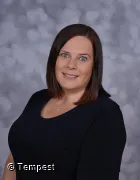

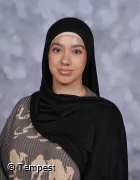

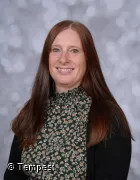
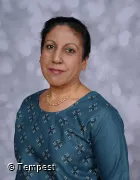



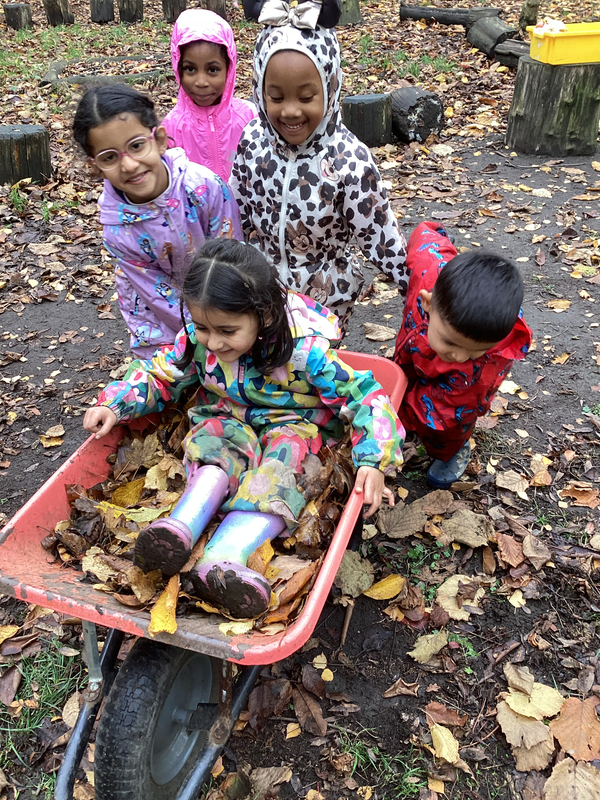
At Birchills, we believe that the Early Years are a precious time — where curiosity blooms, confidence grows, and every child is nurtured to flourish as a unique and valued individual. Our EYFS provision reflects the latest guidance from the Department for Education and the new 2025 Ofsted Framework, ensuring our practice meets the Early Years Strong Standard. Through high-quality interactions, purposeful play and a language-rich environment, we build strong foundations for future learning. Our curriculum is designed to inspire curiosity, creativity, and independence — ensuring that every child develops the knowledge, skills and attitudes they need to thrive. We value strong partnerships with families and the wider community, working together to provide an inclusive, safe and stimulating start to each child’s educational journey. Our dedicated team of practitioners create an environment where children feel loved, secure and ready to explore God’s wonderful world.
At Birchills, every moment in Early Years matters. We nurture hearts and minds — ensuring that all children are ready not just for the next stage of learning, but for life in all its fullness.
“Start children off on the way they should go, and even when they are old they will not turn from it.” Proverbs 22:6
"Warm relationships between staff and pupils are at the centre of this caring school." OFSTED 2024
Playing and Exploring
Playing and Exploring is one of the key characteristics of effective learning in the Early Years Foundation Stage (EYFS). It describes how young children learn best through curiosity, hands-on experiences, and active discovery.
Children learn by doing – they engage with activities that interest them and explore new ideas through play.
They show curiosity and enthusiasm – trying things out, noticing what happens, and developing confidence as they investigate their environment.
They use their imagination – pretending, creating, and experimenting help them make sense of the world around them.
Active Learning
Active Learning is another key characteristic of effective learning in the EYFS. It focuses on how children stay motivated and keep trying as they develop new skills.
Creating and Thinking Critically
Creating and Thinking Critically is the third characteristic of effective learning. It highlights how children develop their thinking skills and learn to make sense of the world. Through creating and thinking critically, children become confident problem-solvers who enjoy exploring ideas, making decisions, and finding their own solutions.
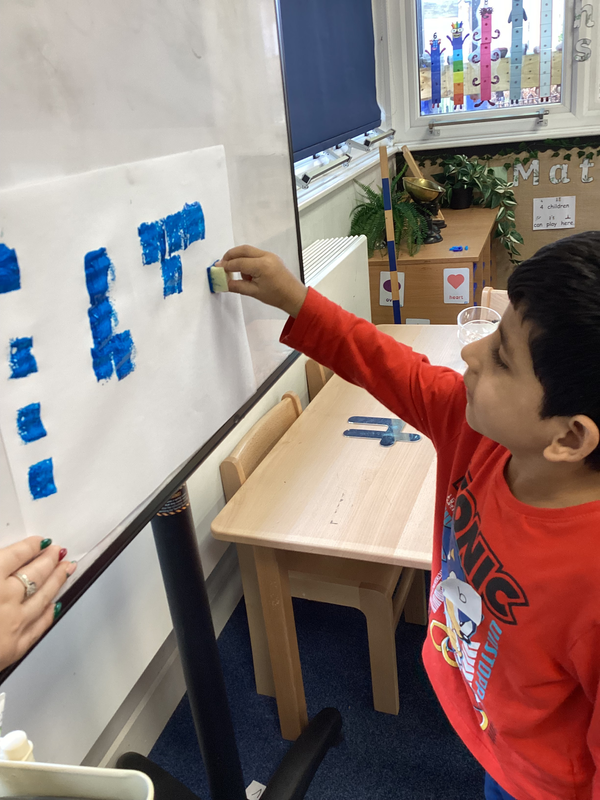
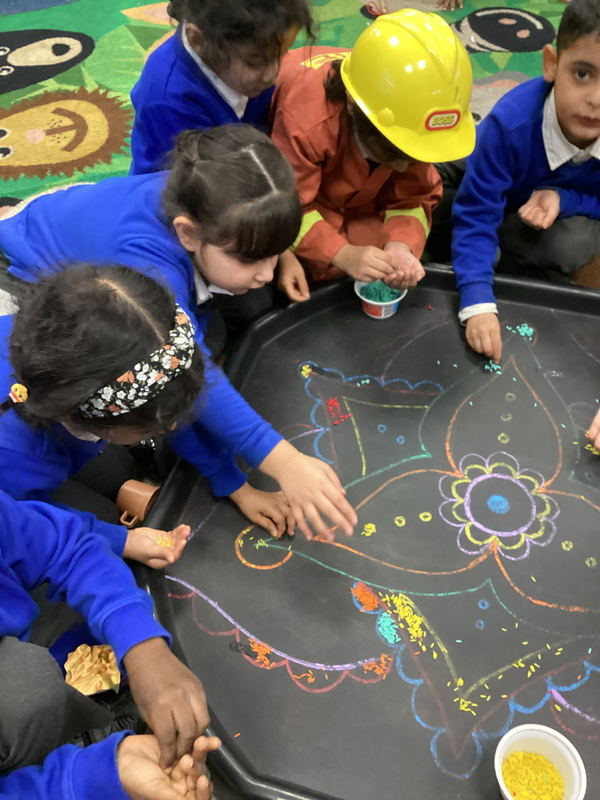
The three prime areas of learning develop quickly in a child's early years and are shaped by the relationships and experiences children have. These areas are at the heart of all learning and continue to underpin children’s development throughout their early years journey.
Communication and Language
We support children by surrounding them with a rich language environment. They are encouraged to build confidence in expressing themselves, to develop strong speaking and listening skills, and to communicate in a variety of situations.
Physical Development
Children are given plenty of opportunities to be active and explore movement. We help them develop coordination, control, and physical confidence. We also teach the importance of staying active and making healthy choices, including learning about nutritious food.
Personal, Social and Emotional Development
We help children develop a positive sense of themselves and others. This includes forming warm, respectful relationships, learning to manage feelings, understanding how to behave appropriately in groups, and growing in independence and confidence
The four specific areas build on the prime areas and give children the essential skills and knowledge they will carry with them throughout their school journey. These areas offer rich contexts for learning and help broaden children’s understanding of the world around them.
Literacy
We support children as they begin to link sounds to letters and take their first steps in reading and writing. A wide variety of books, poems, and other written materials are available to spark curiosity and develop a love of reading.
Mathematics
Children are encouraged to develop confidence with numbers through counting, simple problem-solving, and understanding addition and subtraction. They also explore shapes, space, and measures through hands-on, practical experiences.
Understanding the World
We help children make sense of their environment and community by offering opportunities to explore, observe, and investigate. This includes learning about people, places, technology, and the natural world around them.
Expressive Arts and Design
Children are invited to be creative through a wide range of materials and media. We encourage them to express their ideas, thoughts, and feelings through art, music, movement, dance, role-play, and design and technology activities.
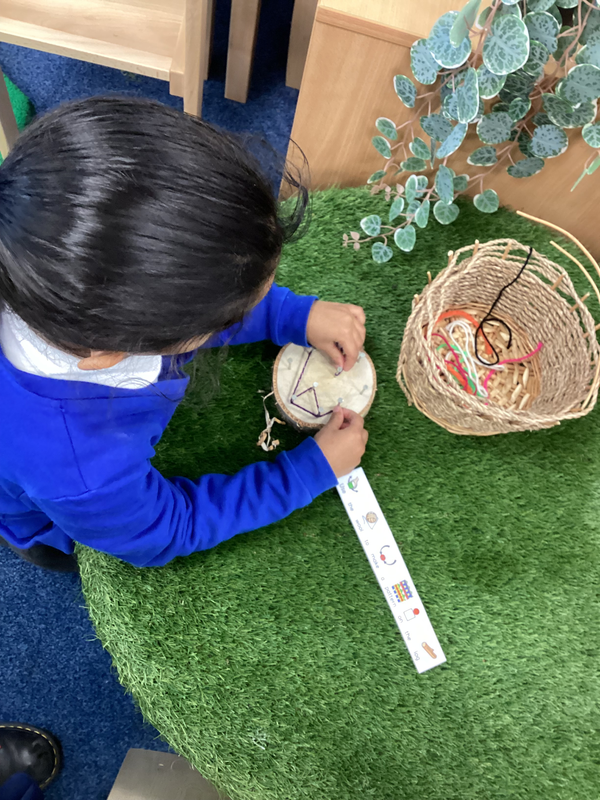
We want to support you, as parents, to help your child to be the best they can be. We provide many opportunities for this to happen by inviting you to regular Parents' Evenings, termly Parent Curriculum Workshops, Class Dojo information and much more!
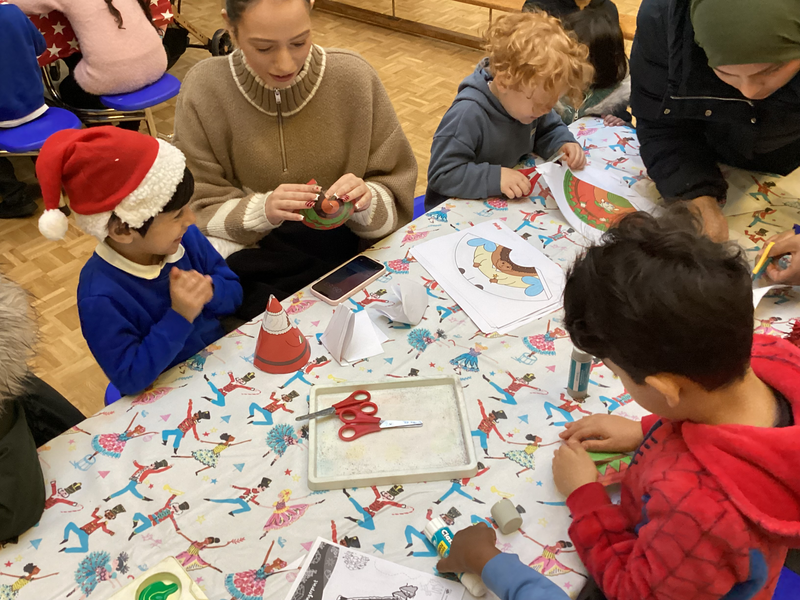
Parent Workshops
We work closely with each and every one of our pupils and their parents (or any other responsible adult representing them), from Nursery to Year 6, through termly Parent Workshops in various areas of the curriculum such as Reading, Writing, Maths.
Parents' Meetings
Parents of children in any stage of their education have the opportunity to meet with their child's teacher. In EYFS we make sure you're kept up to date about your child's progress with a parent consultation in the Autumn and Spring Term. In the Summer Term you will be provided with a written progress report and drop in session to discuss anything further within the report.
We are also available to talk to at the start and end of your child's day. With our team being available on gate duty at the start and end of your child's day, this allows for a quick word when you drop your child off or collect them. Alternatively, you can always drop us a message on Class Dojo or arrange a meeting in private with your child's teacher.

Tapestry
In the Early Years Foundation Stage (EYFS), children learn and grow in many different environments, and we value the important role that home learning plays in their development. We encourage parents and carers to share these special moments with us so that we can build a full picture of each child’s learning journey.
You might like to upload “wow moments” such as your child:
-
Putting on their shoes or coat independently
-
Drinking from a cup or using cutlery on their own
-
Riding a bike or scooter without support
-
Beginning to write their name
-
Recognising letters, numbers or simple words in the environment
We also welcome everyday learning experiences, for example:
-
Re-telling a story or song learned at school
-
Counting steps, toys or objects during play
-
Recognising bus numbers, signs or familiar places
-
Mark-making or writing a simple shopping list
-
Taking part in family festivals, cultural celebrations or special outings
Please upload these moments to our Tapestry online platform, where they can be shared and celebrated across the EYFS team.
All families receive a Tapestry login and password when your child joins our EYFS setting.
What to Expect in the Early Years: A Guide for Parents.
'Giving every child the best start in life' - UK Government
Being a parent is incredibly rewarding, but it can also be challenging — especially in a world that’s changing faster than ever. Many families live far from their wider support networks, and it’s not always easy to know where to turn for advice.
To help, Family Lives has created a range of free online parenting courses designed to offer support, guidance, and practical tips for everyday family life. You can explore these courses here:
https://www.familylives.org.uk/
Family Lives Free Parenting Courses
Family Lives also provides a confidential and free helpline* for families in England and Wales. If you’d like emotional support, information, or guidance on any aspect of parenting, you can contact them on 0808 800 2222. Their website is filled with additional resources, advice, and support for parents and carers.
Use the links below to gain access to current, research-informed initiatives to support you with any parenting advise you may need.