
What is Computing?
Computing is the study of computers that include information technology (how IT is used), digital literacy (how IT is used safely and effectively) and computer science (how computers work). Computing is the process of using computer technology to complete a given goal-oriented task.
The use of technology, not only in everyday life but as an essential requirement for job roles, has increased greatly. STEM (Science, Technology, Engineering and Mathematics) is an ever-growing sector with 5.9 million employees in the STEM sector by the end of 2019, now at 9.4 million.
Having a secure understanding of the basics of the use of technology and of the more detailed aspects of computing are essential for our children and young people as they mature in a technological world.
What is physical computing and why is it important?
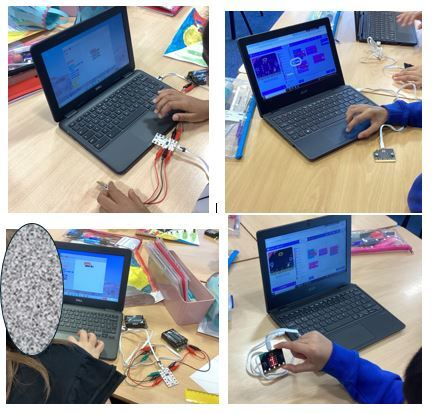
Physical computing is using hands-on programmable hardware, such as floor robots or micro-controllers. These devices can interact with the real world through a variety of inputs, outputs and sensors. This means they can be programmed to respond to real-world inputs, such as the press of a button, or give a real-world output, for example the movement of a robot or control of an LED or motor.
It is this tangible link to the real world that makes physical computing both engaging and a great way to teach programming. The visibility of the result can support program comprehension, and the interactivity of physical computing provides real and immediate feedback.
The use of physical computing hardware also helps pupils understand the real-life applications of computing can give computing projects a meaningful context.
Intent, Implementation and Impact
Computing Curriculum
| Name | Format | ||
|---|---|---|---|
| Files | |||
| Computing overview 25-26.docx | .docx | ||
| Curriculum Journey INTERACTIVE.pdf | |||
| Teach Computing Curriculum Progression.docx | .docx | ||