
Reading intent
At Birchills, we believe that developing a love for reading is a vital skill for all children. Studies show that reading enjoyment is more important for a child's educational success than their families socio-economic backgrounds. Reading can improve outcomes, build knowledge, develop empathy and pave the way to success. Reading changes lives!
Reading is a core subject for all year groups and is taught daily, using an evidence based process known as the 'simple view' of reading. Good readers can decode (recognise words) and have a good comprehension of what they are reading.
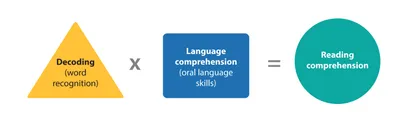
In reception and Year 1, children will follow the RWI phonics scheme, which teaches children to decode words and build their reading fluency. From Year 2 through to Year 6, most children will progress to the Ready Steady Read! scheme, which focuses on building comprehension and fluency skills. Those children who need further support with decoding will be supported with targeted interventions.
Reading environment
We aim to foster a love of reading and encourage children to read for pleasure. To support this, all children have access to a wide variety of books in class and shared reading areas which are reguarly updated throughout the year with new and exciting books from a variety of genres. Children are free to borrow these books alongside their levelled reading books. Time is regularly given in class for reading for pleasure. All classes also have whole class reading, where teachers will read aloud to the children each day, enabling children to hear books that they may not be able to access independently. We also have a variety of events throughout the year to support a love of reading, such as the book fair and celebrations for World Book Day.
Ready Steady Read Together
Our shared reading curriculum is built around a sequence of high-quality, age-appropriate texts, using Literacy Counts’ Ready Steady Read Together units of learning. This resource provides dynamic and inclusive lessons that integrate metacognitive strategies and feature diverse literature from exceptional authors. It aims to inspire children and families to develop a lifelong love of reading for pleasure, knowledge and information.
The intent is that all pupils, from year 2 to year 6, regardless of their needs, abilities or background, have opportunities to meet, and where possible exceed, the National Curriculum expectations for reading comprehension. Ready Steady Read Together gives every pupil access to high-quality texts, enabling them to experience literature that develops fluency, vocabulary and understanding. Through teacher modelling of expression, pace, intonation and prosody, children learn how skilled readers bring meaning to a text and how these features support comprehension. Shared reading also creates opportunities for discussion, questioning, drama and exploration of language, which deepen comprehension whilst enhancing oracy skills. Crucially, it ensures that every child, regardless of their decoding ability, can engage with ambitious texts and develop the habit of reading widely and often for both pleasure and learning.
Ready Steady Read Together units are built around engaging, vocabulary-rich texts and provide a wealth of opportunities for reading, discussion and metacognition. Each unit follows a clear sequence of learning episodes, supports vocabulary development in context and includes structured opportunities for retrieval, fluency and strategy modelling and discussion. Gamification elements and interactive low-stakes quizzes link directly to the KS1 (Year 2) and KS2 (Years 3–6) reading content domains, reinforcing understanding while ensuring progression through the National Curriculum. Progression is actively embedded within teaching to build comprehension skills, word reading, understanding of terminology and knowledge of the content domains step by step, ensuring consistency and clarity across the year groups.
Inclusion
‘If you get it right for the most disadvantaged and vulnerable, you get it right for everyone.’ (Sir Martyn Oliver, His Majesty’s Chief Inspector at the Office for Standards in Education, Children’s Services and Skills, March 2025).
Ready Steady Read Together is aspirational for every child. It ensures that all pupils, including those with barriers such as dyslexia who may struggle with fluency and independent reading, are given opportunities to develop their comprehension of challenging texts with scaffolded support. Children who face language barriers, such as those with English as an additional language, benefit from accurate English modelling, peer collaboration, dual coding, scaffolded speaking and listening activities and the use of technology to aid comprehension. For pupils with special educational needs, the programme provides guidance and advice through suggested intervention, scaffolds and breakdown strategies.
In addition, those who need extra support, such as those who are new to English as a language, will access RWI phonics up to Year 3, and from Y3 to Y6 will follow the 'fresh start' RWI phonics programme.
Assessment
Assessment for learning is a core part of the Ready Steady Read Together programme. In addition, formal assessment points are built in to the year to allow teachers to track pupil progress. We assess children for fluency and comprehension, and will assign them a colour banded book to be read at home and in school. These will be changed weekly.
Parent support
When it comes to reading, remember you are your child's first and best teacher. There is so much you can do to support their reading at home!
- Listen to your child reading their colour banded book and record this in their reading record at least 4 times a week
- If your child is struggling with a word, help them to decode it (sound it out) and then get them to repeat it to you
- Encourage and support them to read signs and words when you are out and about
- Share other stories with your child, such as at bedtime. You can continue this even once your child is a fluent reader, as they will still benefit from hearing a more skilled reader (you!) read to them
- Children sleep better if they have no screentime for at least an hour before bed - this final hour of their day could be a calm reading time for the whole family
- Visit the library to find books that follow your child's interests, and let your child see you reading and enjoying books - children will imitate their parents and caregivers
- Ask children 'why' and 'how' questions about the books you are sharing to build their inference skills eg. How does that charcter feel? How do you know? Why might they be doing that?